Source Medical Piezo Atomizer for Respiratory, Eye, and Moisturizing
Find and compare 27 medical piezo atomizer options for respiratory treatment, eye care, and industrial moisturizing. Evaluate specifications like 16mm diameter, 110kHz frequency, and PZT material to select the right ultrasonic transducer for your device.
Key considerations
Products List


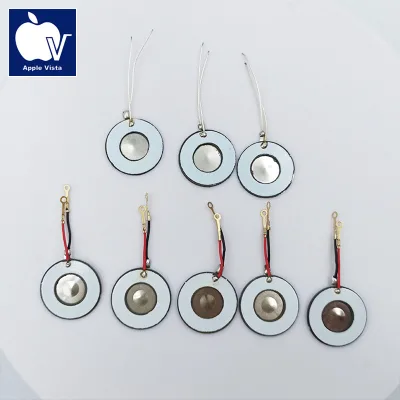
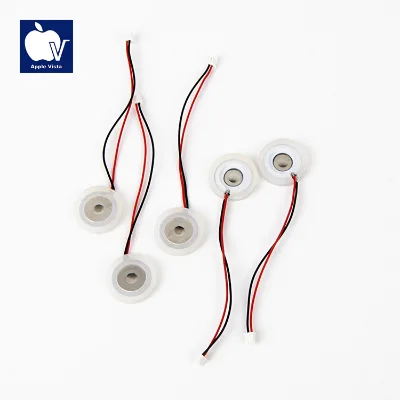
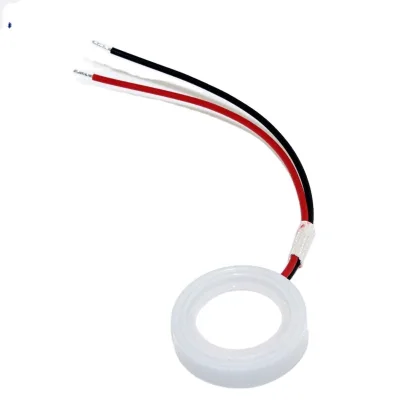
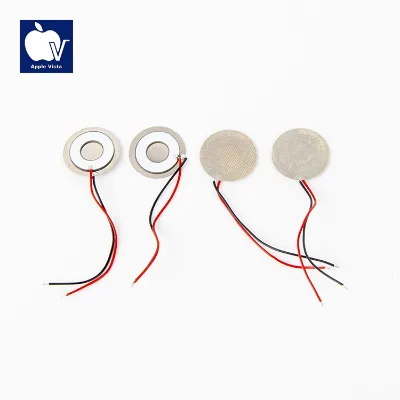
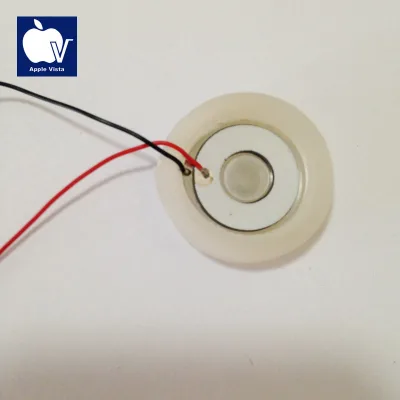
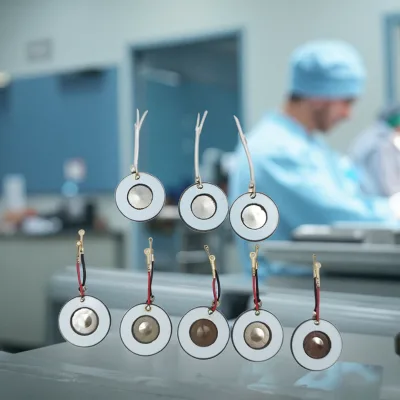


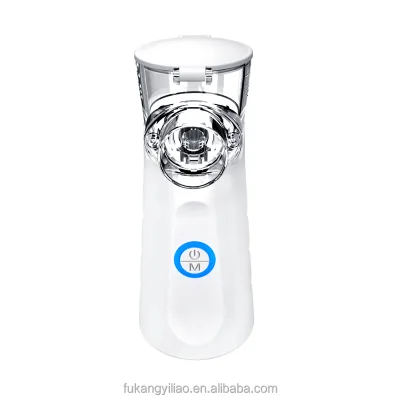
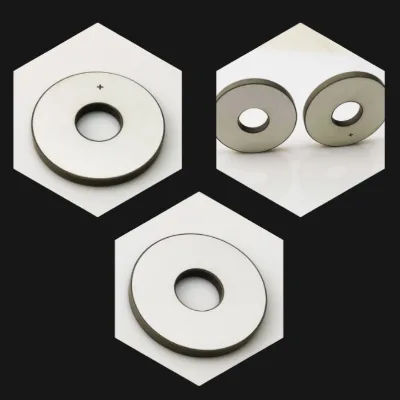
Comprehensive Sourcing Guide
Medical Piezo Atomizer Sourcing Guide
Sourcing piezoelectric components for medical atomization requires a precise understanding of how ultrasonic vibration translates into therapeutic delivery systems. These devices rely on piezoelectric ceramics to convert electrical energy into high-frequency mechanical vibrations, which are then used to atomize liquids into fine mist for respiratory treatments, eye care, or localized drug delivery. The core technology hinges on the piezo effect, where specific ceramic materials deform under an applied electric field, creating the necessary acoustic pressure waves. Buyers must recognize that while the underlying physics is consistent, the implementation varies significantly based on the intended medical application, whether it involves industrial atomization, ultrasonic moisturizers, or specialized medical devices.
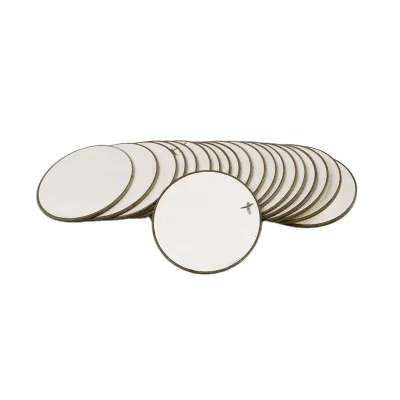
The procurement landscape for these components is characterized by a wide range of specifications, from standard rectangular piezo ceramics to customized medical-grade transducers. Suppliers often offer products with varying diameters, frequencies, and capacitance values, requiring buyers to match component attributes strictly to their device design. For instance, some listings indicate a focus on 16mm piezo ceramics with specific frequencies like 110kHz, while others offer compact sizes with high-speed response times. Understanding these variations is critical, as the efficiency of atomization and the longevity of the device depend heavily on the correct selection of the piezoelectric element and its associated pellicle materials, such as stainless steel or titanium.
Product Scope and Observed Listing Signals
The current market for medical piezo atomizers presents a diverse array of product listings that signal different levels of specialization and capability. Observed data indicates a price range from approximately $0.10 to $51.31 USD, reflecting the disparity between basic piezoelectric ceramic elements and more complex, integrated transducer assemblies. Minimum Order Quantities (MOQs) vary widely, starting from single units for prototyping up to 2,000 pieces for production runs, which suggests that suppliers cater to both small-scale R&D projects and large-volume manufacturing needs. Buyers should interpret this range as an indicator that pricing is highly dependent on volume commitments, customization requirements, and the specific technical specifications of the piezo element.
Listing signals also reveal a strong emphasis on customization and specific medical applications. Many suppliers highlight their ability to provide customized sizes and models, such as the WHTF135-14.0C-1(x) or AV-MEDICALD16, which are explicitly designed for drug atomization and the treatment of respiratory diseases and eye conditions. The presence of models like Hnya20-0.9-2 and AV-201609 further indicates that suppliers offer a portfolio of components tailored to different frequency and size requirements. Buyers should look for listings that explicitly mention applications like ultrasonic atomization for medical use, as these products are more likely to meet the stringent performance and safety standards required for healthcare devices.
Technical Specifications to Verify
When evaluating piezoelectric components for medical atomization, verifying the frequency and capacitance is paramount to ensuring effective atomization. The frequency determines the size of the droplets produced, with higher frequencies generally yielding finer mists suitable for respiratory and ocular treatments. Buyers should confirm the operating frequency, such as 110kHz with a tolerance of ±10%, and ensure that the capacitance, often measured in picofarads (e.g., 2800pF), matches the driving circuitry of the final device. Mismatches in these parameters can lead to inefficient atomization, excessive heat generation, or premature failure of the piezoelectric element, making precise verification essential during the sourcing phase.
The material composition and physical dimensions of the transducer also require careful scrutiny. The piezoelectric element itself is typically made from PZT (lead zirconate titanate) ceramic, but the pellicle material, which vibrates to create the mist, can vary between stainless steel and titanium. Titanium pellicles are often preferred for medical applications due to their biocompatibility and corrosion resistance, while stainless steel may be used for cost-sensitive or industrial applications. Additionally, the aperture size, which can range from 3 to 3.5 micrometers, directly impacts the particle size distribution of the atomized liquid. Buyers must verify these material and dimensional specifications to ensure compatibility with their device’s housing and the intended therapeutic outcome.
Compliance and Safety Documentation
Compliance with international quality and environmental standards is a foundational requirement for sourcing medical-grade piezoelectric components. Suppliers should provide evidence of certification to ISO9001 for quality management systems, ISO14001 for environmental management, and CE marking for conformity with European health, safety, and environmental protection standards. These certifications indicate that the manufacturer has established robust processes for production consistency and environmental responsibility, which are critical for maintaining the reliability of medical devices. Buyers should request copies of these certificates and verify their validity, as they serve as a baseline indicator of the supplier’s operational maturity and commitment to quality.
While certifications provide a framework for quality, specific safety and material compliance documents are equally important for medical applications. Buyers should inquire about RoHS (Restriction of Hazardous Substances) and REACH compliance, which ensure that the components do not contain restricted hazardous materials that could pose risks to patients or the environment. Although some of this information may be listed with lower confidence in general marketplaces, it is a critical verification step for medical procurement. Additionally, buyers should confirm that the materials used, such as the titanium or stainless steel pellicles, meet relevant biocompatibility standards for medical devices, ensuring that the atomized mist does not introduce contaminants into the patient’s system.
Cost Drivers and Commercial Terms
The cost of medical piezo atomizers is influenced by several key factors, including the complexity of the design, the materials used, and the volume of the order. Customization plays a significant role in pricing, as bespoke sizes, frequencies, or integrated transducer designs require additional engineering and tooling investments from the supplier. Buyers should expect higher unit costs for highly customized components compared to standard off-the-shelf items. Furthermore, the choice of pellicle material, such as titanium versus stainless steel, can also impact the final price due to differences in material costs and processing requirements. Understanding these drivers allows buyers to negotiate more effectively and align their budget with their technical requirements.
Commercial terms, including packaging, lead times, and supply ability, are also critical considerations in the procurement process. Suppliers typically use standard export packaging, such as cartons, to protect the delicate piezoelectric ceramics during shipping. Buyers should confirm the packaging details to ensure that the components arrive in good condition, as damage to the piezo element can render it unusable. Supply ability, which may be listed as millions of pieces per month, indicates the supplier’s capacity to handle large orders, but buyers should still verify lead times for both sample and bulk production. Clear communication regarding these terms helps prevent delays and ensures a smooth transition from sourcing to production.
Supplier Qualification and Quality Control
Qualifying a supplier for medical piezo atomizers involves assessing their manufacturing capabilities and quality control processes. Buyers should prioritize suppliers who explicitly state their business type as manufacturers, as this often implies greater control over the production process and quality assurance compared to trading companies. Verification of the supplier’s origin, such as Guangdong, China, can provide context for their industrial ecosystem, but buyers should not rely solely on location as a quality indicator. Instead, they should request detailed information about the supplier’s production lines, testing procedures, and defect rates to ensure that the components meet the required performance standards.
Quality control measures should be integrated into the procurement agreement to mitigate risks associated with component variability. Buyers should inquire about the supplier’s testing protocols, including frequency response testing, capacitance verification, and durability assessments. Given that the lifetime of these components is often cited as above 3000 hours, buyers should ask for data or reports that support these longevity claims. Additionally, establishing clear acceptance criteria for incoming inspections, such as visual checks for cracks or dimensional verification, helps ensure that only compliant components enter the production line. Building a strong relationship with the supplier through regular communication and feedback can also enhance quality over time.
Long-Term Procurement Checks
Long-term procurement of medical piezo atomizers requires ongoing monitoring of component performance and supplier reliability. Buyers should establish a feedback loop with their clinical or engineering teams to track any issues related to atomization efficiency, device longevity, or patient comfort. This feedback can inform future purchasing decisions and help identify potential improvements in component design or supplier selection. Regular audits of the supplier’s quality management systems and certification status are also essential to ensure continued compliance with evolving regulatory requirements and industry standards.
Supply chain resilience is another critical aspect of long-term procurement. Buyers should assess the supplier’s ability to maintain consistent supply during periods of high demand or material shortages. Diversifying the supplier base, where possible, can mitigate the risk of disruptions, but it requires careful qualification of alternative sources. Additionally, staying informed about advancements in piezoelectric technology and materials can help buyers identify opportunities for innovation and cost reduction. By maintaining a proactive approach to supplier management and component evaluation, buyers can ensure a stable and high-quality supply of medical piezo atomizers for their devices.
FAQs
What is the typical frequency for medical piezo atomizer transducers?
The typical frequency is 110kHz with a tolerance of plus or minus 10 percent. This specific frequency supports ultrasonic atomization for drug delivery and respiratory treatment. The design ensures consistent particle size for effective medical applications.
Can medical piezo atomizers be customized for specific applications?
Yes, customization is available for various medical needs. Manufacturers offer different sizes and specifications to suit unique requirements. This flexibility allows for integration into diverse medical devices such as moisturizers or atomization mini-scapes.
What certifications do medical piezo atomizer manufacturers hold?
Manufacturers typically hold ISO9001, CE, and ISO14001 certifications. These standards ensure quality management and environmental compliance. Buyers can verify these credentials to ensure the products meet international regulatory requirements for medical components.
What materials are used in medical piezo atomizer pellicles?
Pellicles are made from stainless steel or titanium materials. These materials provide durability and biocompatibility for medical use. The choice of material affects the longevity and performance of the atomization process in sensitive environments.
What is the expected lifetime of a medical piezo atomizer?
The expected lifetime is above 3000 hours of operation. This duration supports reliable performance in continuous medical applications. Buyers should consider this lifespan when planning maintenance schedules and inventory replacement cycles for their devices.
How is the medical piezo atomizer packaged for export?
Products are packed in standard export packages within cartons. This ensures safe transit and protection of the delicate ceramic components. The packaging details are designed to prevent damage during shipping and handling across global supply chains.